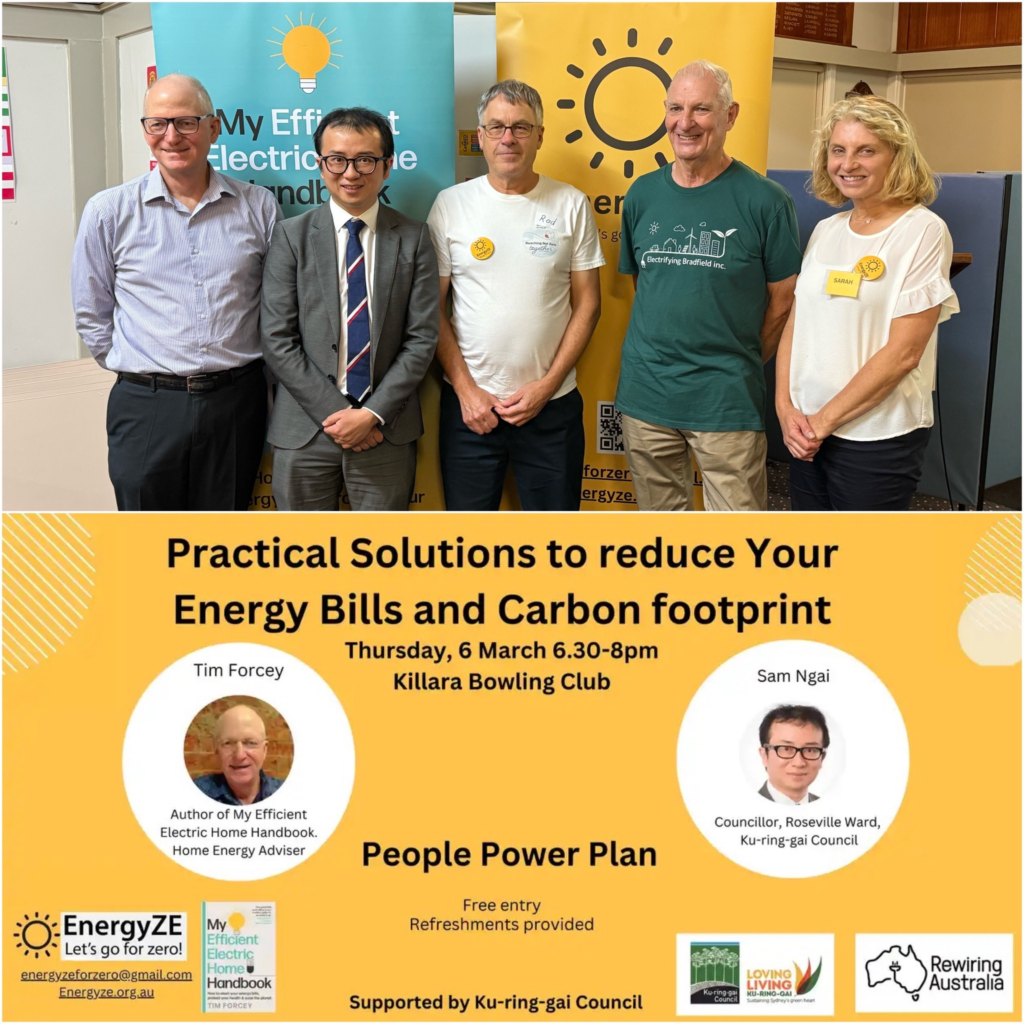
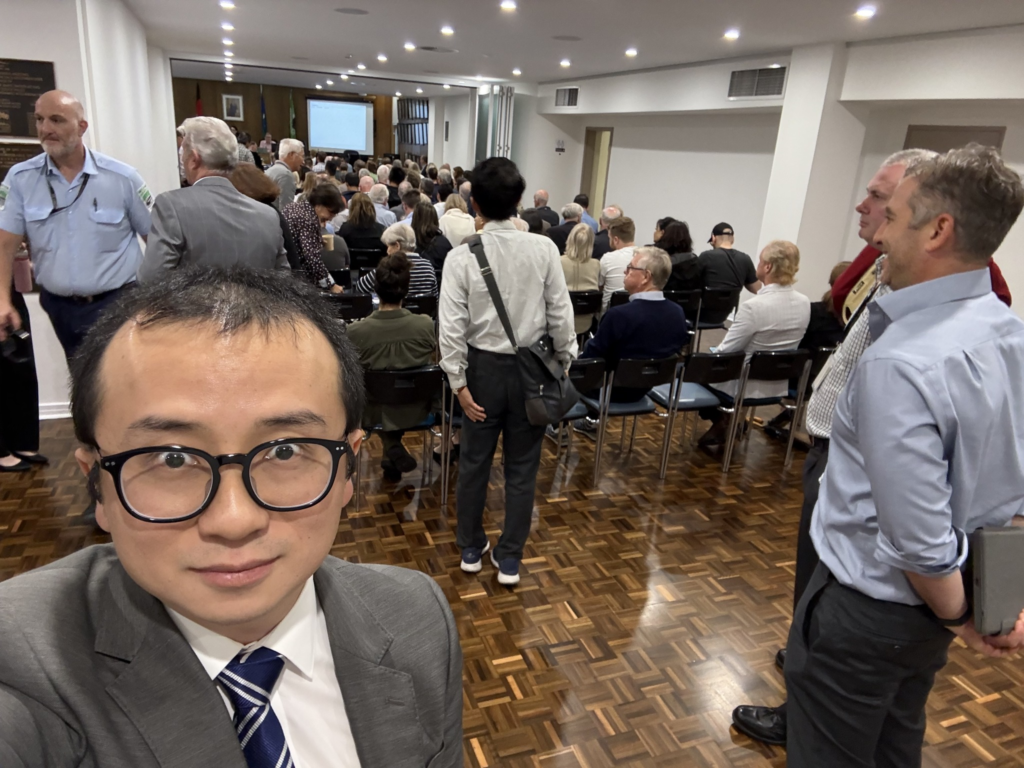
The public forum was highly charged with strong emotions in the air, some valid points expressed, as well as some inaccurate claims.
However the main challenge for me is that while some residents were unhappy about aspects of council’s alternate TOD scenario, nobody proposed a constructive alternative that could – in time for the May 2025 deadline and with greater merit – feasibly meet the requirements of what’s at hand. Council has been tasked with making the best of a bad situation.
As such, the revised TOD scenario is now off to 21 days of public exhibition. I encourage residents who remain dissatisfied to provide constructive input through this next round of the consultation process. Details of how to provide input will become available on Wednesday.
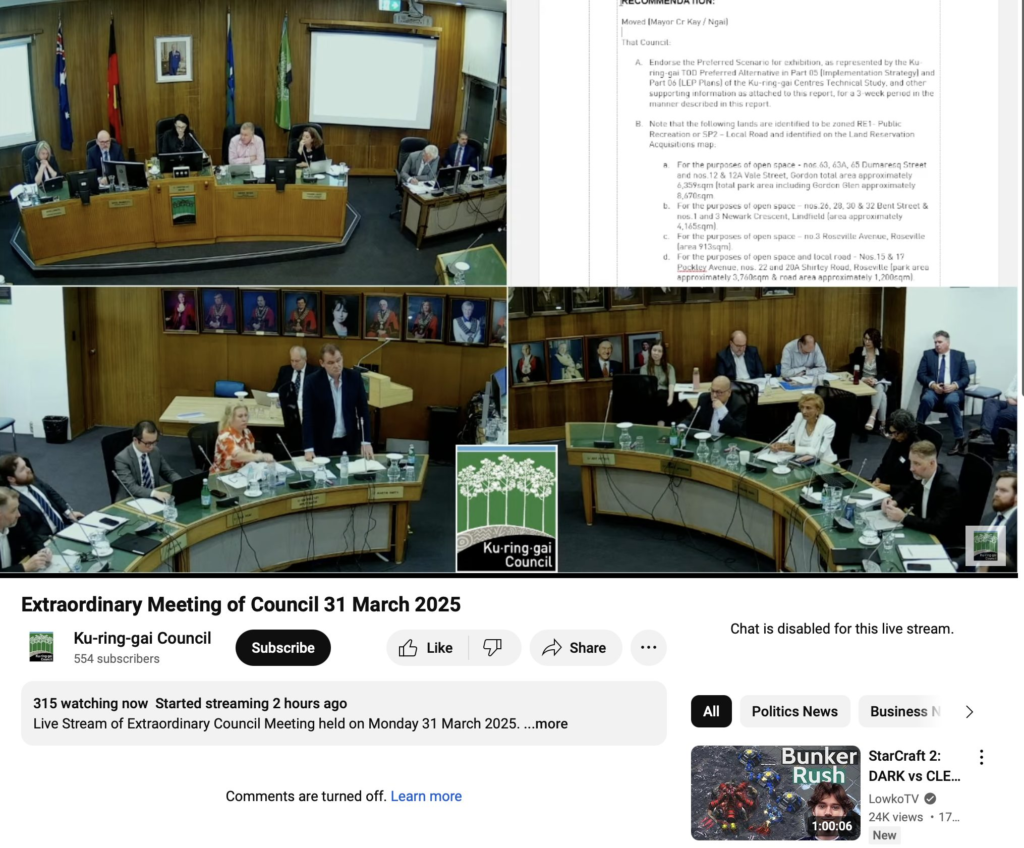
My speech for supporting the staff recommendation are provided in the transcript below, and as for other councillors’ rationale you can view it online.
—
I speak with conditional support for the officer’s recommendation covering three parts.
First, how we reached this preferred scenario.
Second, strengths and weaknesses of the scenario.
Third, next steps.
So how did we get to this preferred scenario?
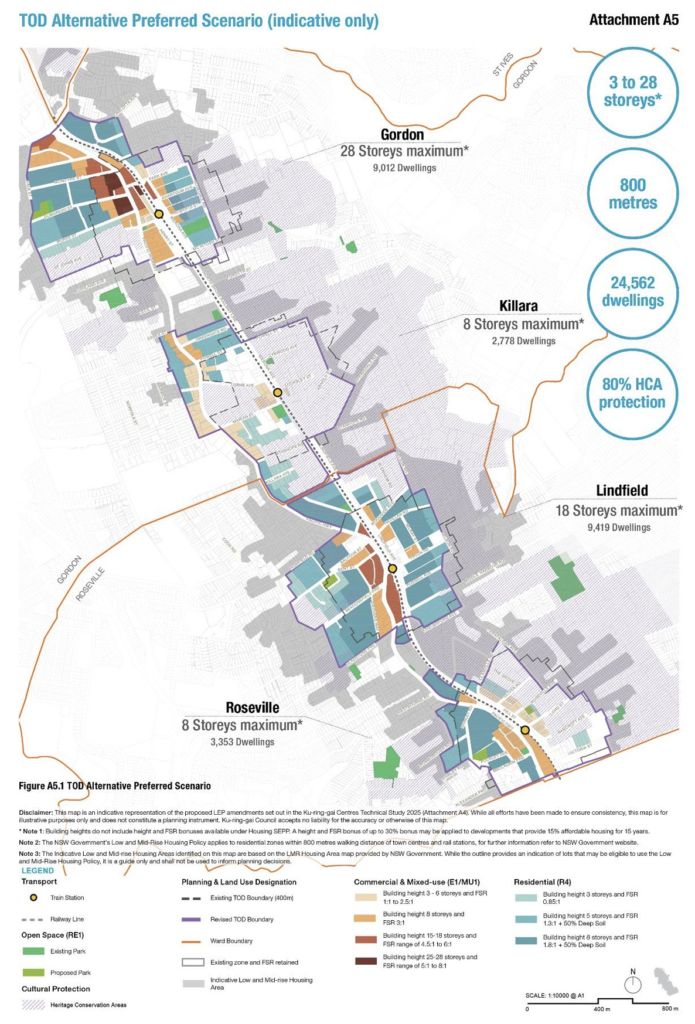
Last year Council sought feedback on five scenarios designed to provide 22,500 additional dwellings around four train stations. Council made it clear that these scenarios were designed to meet seven planning principles, with feedback used to select and enhance a preferred scenario.
Our open survey received over 4,000 responses, which reduced to 2,946 after filtering out bots and duplicates. We also ran a representative survey to better align with local demographics.
In both surveys, the government’s default 400m circle only attracted a quarter of support while three-quarters preferred options that adopted council’s seven planning principles.
Scenario 3B (which preserves HCAs by spreading beyond the circle) was most popular with over a third in support, and Scenario 2A (which preserved 78% of HCAs by providing moderate height) also had a fifth of respondent support.
Combined, 3B and 2A represented over 50% in the surveys. And in separate workshops where residents had the opportunity to explore the implications and make an informed decision, 3B and 2A had over 80% support.
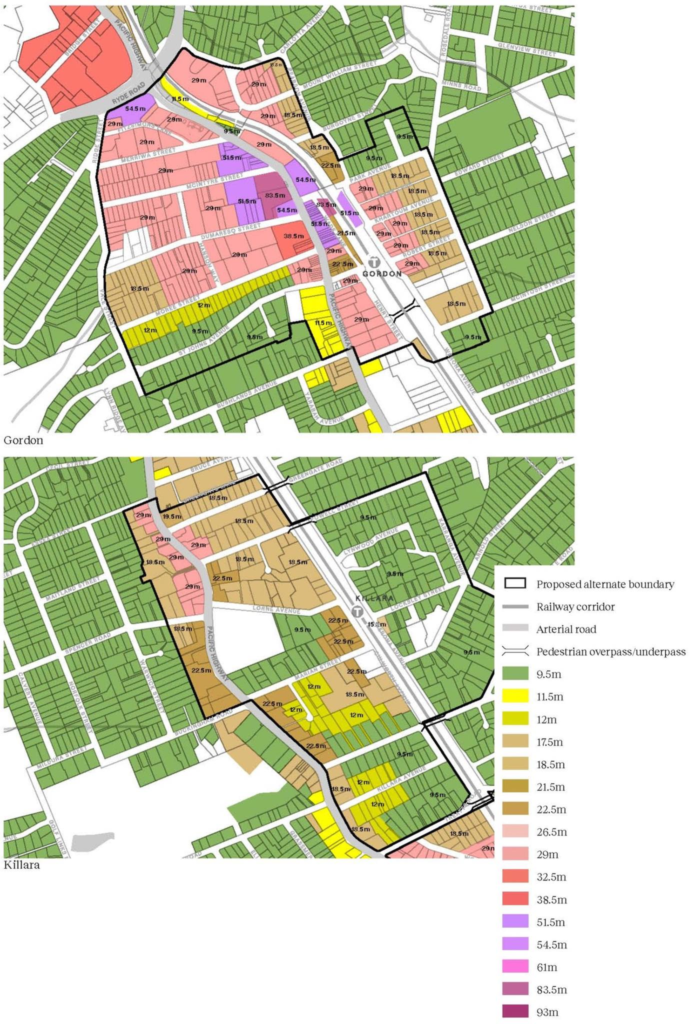
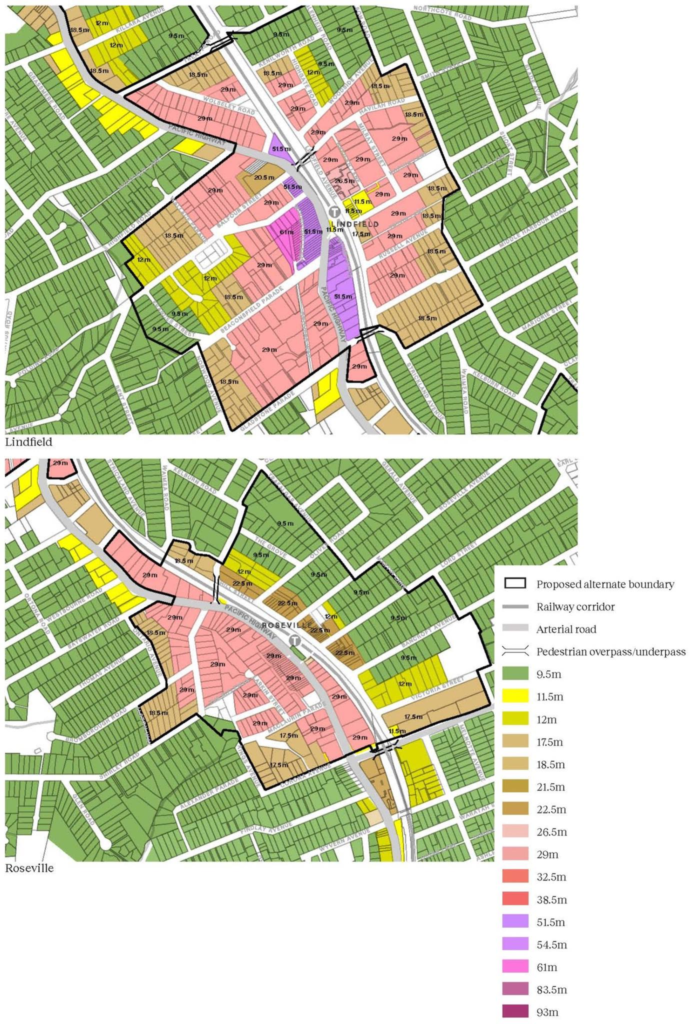
Tonight’s scenario is based on 3B, borrowing elements from 2A and resident feedback.
This new scenario addresses many concerns raised by residents.
The largest concern was transitions, where residents did not want 9 storeys overlooking their 2 storey home. The current state government TOD has 287 properties overshadowed by homes over twice the height, however the revised scenario reduces the impact by 93% to just 21 properties.
The second and third largest resident concerns were the impact on environmentally sensitive areas and urban tree canopy. And by shifting density and requiring 50% deep soil planting in most of the R4 sites, this preferred scenario reduces the impact on environmentally sensitive areas and tree canopy by 68% and 76% respectively.
Over half of respondents wanted to protect heritage conservation areas, and this scenario improves on the government default by 80%. Furthermore, where heritage items are surrounded by development, landowners gain development rights as part of a consolidated development if they negotiate sufficiently hard enough with developers, and I believe this is a much fairer outcome.
Residents were also concerned about town center revitalization, with the absence of zoning in the default TOD for shops and services to support future homes. This scenario increases the available land for commercial and retail from 6.6 to 43.4 hectares.
It also adds new parks in Gordon, Lindfield and Roseville, plus a road connection between Pockley and Shirley in Roseville. It’s a win for future residents, though I encourage council staff to work closely with affected residents to reduce the impacts and explore win-win solutions.
There are other elements in this preferred scenario which I’m not entirely comfortable with.
In order to speed up the delivery of the Lindfield Village Hub, certain provisions are proposed to be removed from the LEP.
I believe that there are pockets where further upzoning is appropriate, for example some of the Roseville Hill Street shops as well as the Lindfield shops East of Drovers Way could be bumped up one notch without compromising our planning principles.
Likewise, I think it’s unfair for TOD residents living in an HCA to only get FSR 0.3:1 while their non-TOD neighbours in the same HCA get FSR 0.8:1 under the Low- and Mid-Rise provisions. I would personally advocate giving these residents at least FSR 0.4:1 or 0.5:1 along with dual occupancy provisions.
Residents have also told me that their properties are not currently viable for development under new FSRs, however, I believe these will become viable in the 2030’s and 2040’s once supply tightens.
Starting this week, Council begins a second round of consultation on this revised scenario. I encourage all concerned residents to provide feedback for staff consideration.
I also encourage all councillors to support moving this scenario to public exhibition. It was never going to be possible to satisfy all residents under the State Government’s unreasonable terms, and this next step is the best we can do to manage the negative impacts of the default TOD.
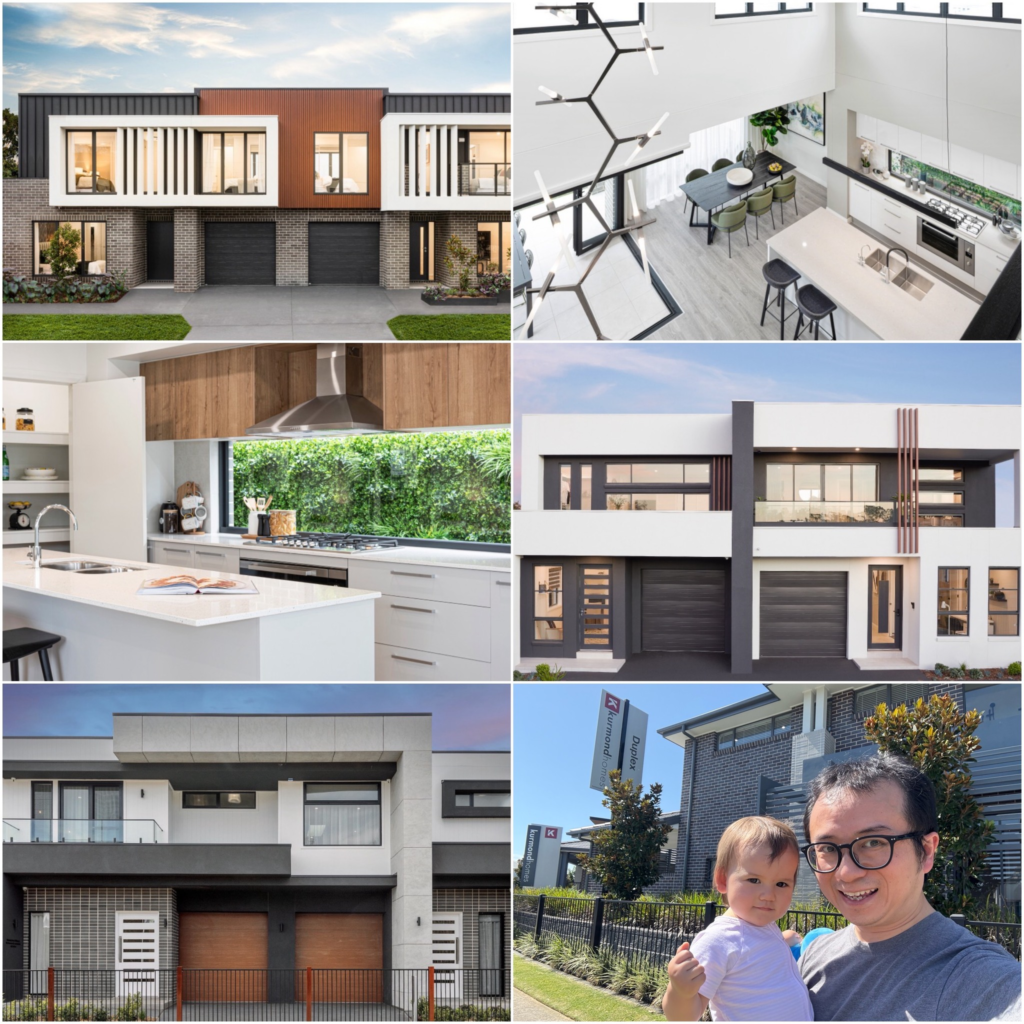
 Dual Occupancies – Council resolved to put forward to DPHI the proposal for dual occupancies to be allowed in lot sizes of 1,015 sqm or greater. I was in support of this motion, and I will provide my speech transcript in a subsequent post this week.
 TOD Scenarios – Council resolved to release an updated TOD scenario to the public on Tuesday 25th March, to be considered at a public forum and council meeting on Monday 31st March. A further update was provided by the Mayor in MM. 2. linked below.
 Norman Griffiths Oval – An update on the project status and costs was provided, refer to link above.
 Vernon Street Dog Park Lighting – Council resolved to install lighting for this dog park in South Turramurra later this year.
 345 Pacific Highway – Council resolved to continue our position of advocating for land on Pacific Highway to be dedicated for road widening, to support the future population uplift in Northern Sydney. Council also resolved to advocate for the affordable housing component to be in perpetuity rather than for 15 years only.